From Northern Ireland to the UN: Angus Lambkin’s Peacebuilding Journey

Have you ever wondered what it’s like to sit across the table from the Taliban or negotiate with governments in the aftermath of war? How do you help entire communities rebuild their lives while ensuring the safety of your team?
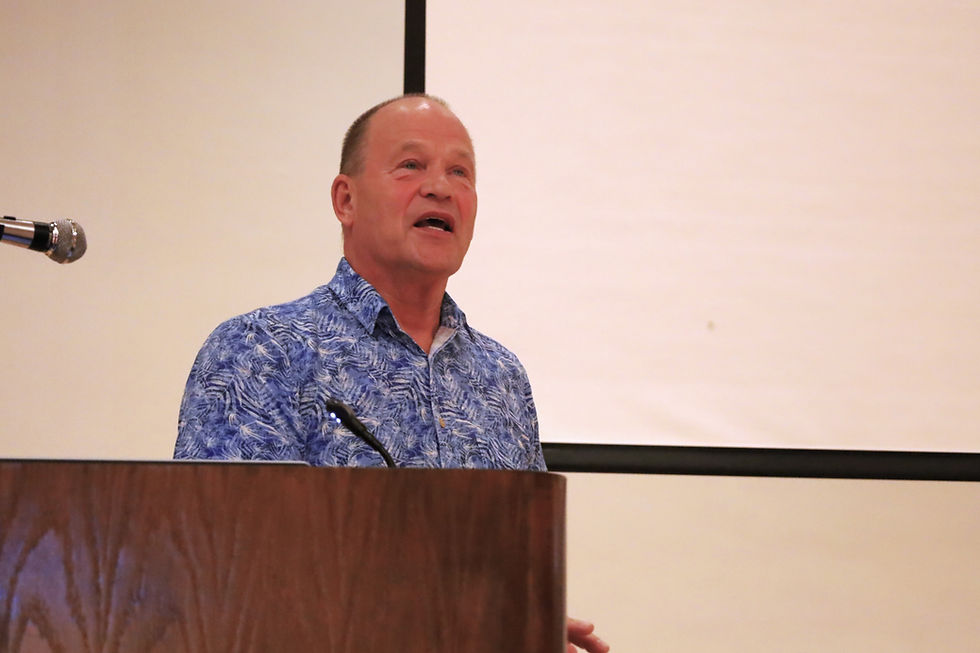
These are just some of the challenges that Angus Lambkin, an LPCUWC alum (Class of 1999), tackles in his work as a United Nations (UN) humanitarian expert. Returning to campus on 26 February, Angus shared his remarkable story with the LPC community during a special Theory of Knowledge (TOK) session.
Angus began by introducing himself and reflecting on his upbringing in Northern Ireland, where he experienced the peace transformation process firsthand. This shaped his passion for conflict resolution and peacebuilding, leading him to a career with the United Nations. Over the years, Angus has worked in some of the world’s most volatile regions, including Afghanistan, Northern Iran, the Democratic Republic of Congo, and more.
Through vivid stories, Angus described the complexities of his work, from negotiating with military leaders and power groups like ISIS to collaborating with local communities on projects that focus on peacebuilding, environmental protection, and sustainability. He emphasised that negotiation is not a single event but an ongoing process that requires time, trust, and persistence.
Angus also spoke about the human side of his work, highlighting how progress, even when imperfect, can change lives. “The transitions I’ve witnessed are the most rewarding,” he shared, underscoring the impact of small but meaningful steps forward in rebuilding communities.
In the Q&A session, students asked thought-provoking questions, from how the UN ensures staff safety in high-risk areas to what it takes to pursue a career in humanitarian work. Angus shared insights into the importance of mental health and well-being, as overwork and burnout are common in his field. He also reflected on his own career path, which involved self-learning, volunteering, internships, and specialised studies.
Angus left the LPC community with a powerful reminder: peacebuilding is always a work in progress, but every action—no matter how small—can make a difference.
Thank you, Angus, for sharing your inspiring journey and reminding us of the power of persistence, compassion, and collaboration in building a better world.